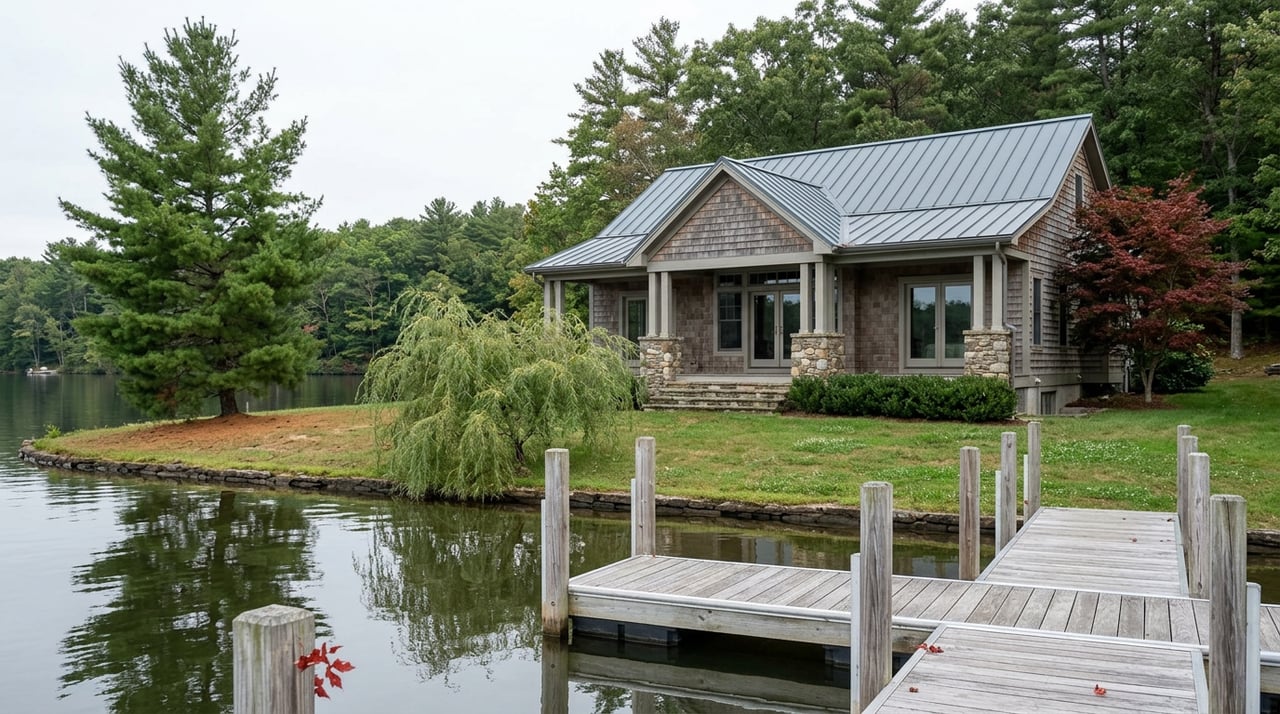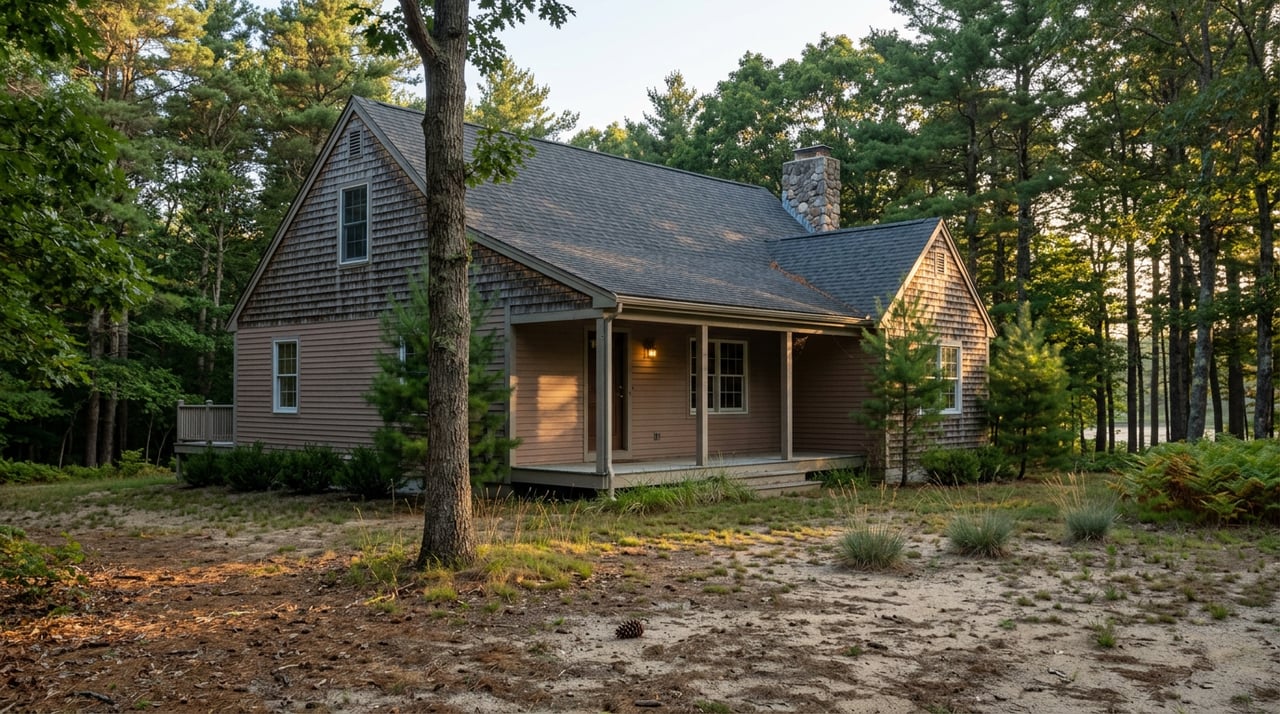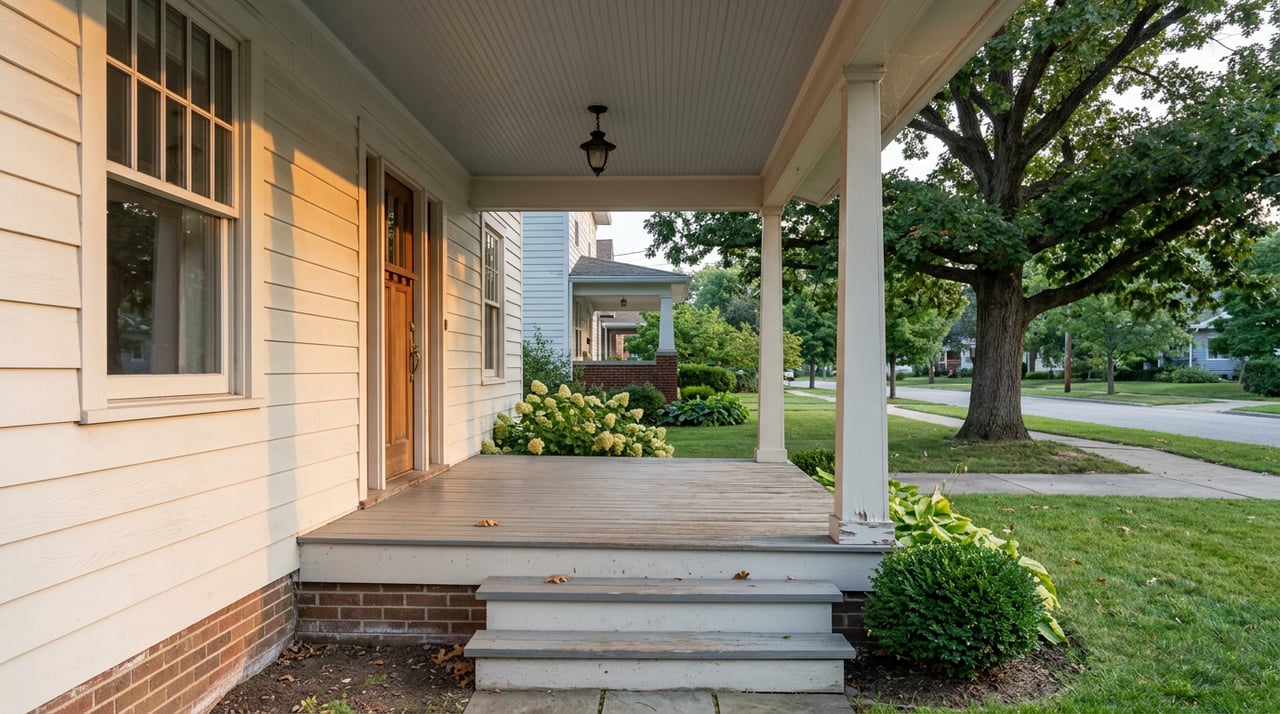
The house sits four blocks from campus, an old two-story with a wraparound porch and five bedrooms carved out over decades of additions. The current owner hands over a rent roll: five leases, five checks every month, timed to the semester the way landlords near Ferris State University have done it for years. An investor walks the upstairs, counts doors, and starts running the math on what those five bedrooms are worth as an income property.
Then someone mentions the number four. Not five. Big Rapids' zoning code caps most rental houses at four unrelated occupants per dwelling unit. On paper, this house is renting to one too many. Except it might not be breaking any rule at all, and the reason why has nothing to do with the lease and everything to do with something that never made it into the listing.
Four Is the Number, Most Landlords Never See in Writing
The City of Big Rapids allows rental housing for non-related individuals primarily in its R-2 and R-3 zoning districts, and its zoning ordinance sets the occupancy limit at up to four unrelated persons per dwelling unit in single-family and two-family homes. That number governs most of the older housing stock within walking distance of campus, the same stretch of streets where Ferris State's own housing office tells students to expect houses rather than apartments once they move off campus.
The rule reads as a hard ceiling. In practice, it has a second layer that almost never shows up when a seller lists a rental or a buyer runs comparables: some of these houses have been renting to five or six unrelated tenants for years, and it is entirely legal, because the current four-person cap did not exist, or did not apply the same way, when that rental use began.
How a House Ends Up Grandfathered
Michigan zoning law does not let a new ordinance reach backward and shut down a use that was already lawful. The Michigan Zoning Enabling Act, at MCL 125.3208(1), states that if the use of a dwelling was lawful when a zoning ordinance or amendment took effect, that use can continue even though it no longer conforms to the new rule. Planners call this a nonconforming use. Everyone else calls it grandfathering, and Michigan State University Extension has walked through the practical side of it for property owners across the state.
A house that was already renting to five students before Big Rapids tightened its occupancy standard did not suddenly become illegal. It became nonconforming, which is a different status with different rights attached. Those rights matter enormously to anyone valuing the property as an income asset, because a legal fifth bedroom is worth real rent, and an illegal one is worth a citation.
What Travels With the Sale, and What Doesn't
Here is the detail that changes how a buyer or seller should treat one of these houses: a nonconforming use runs with the land, not with the person who owns it. When the property sells, the new owner steps into the same rights the old owner had. No new zoning approval is required just because the deed changed hands.
That protection is not permanent, though, and a few things can end it:
- Expanding or enlarging the nonconforming use, such as adding a sixth bedroom to a house already grandfathered at five
- Reconstructing the building after damage that exceeds roughly half its value, which most Michigan zoning ordinances treat as a trigger to bring the property back into full compliance
- A determination by the local zoning administrator that the owner voluntarily stopped the nonconforming use, which is a factual question decided case by case rather than by a fixed waiting period
None of these thresholds are printed on a rent roll. A buyer who assumes five bedrooms simply equals five legal tenants, or who plans a renovation without checking whether it counts as an expansion, can turn a income-producing rental into a property that only supports four leases the moment the sale closes.
The Inspection That Tests It
Big Rapids does not leave occupancy status to be sorted out later. Every rental property occupied by someone other than the owner falls under the city's Rental Certification Program, which requires an annual inspection before a Housing Maintenance Certificate is issued or renewed. That inspection checks compliance with the residential zoning allowances in Article 3 of the zoning ordinance, and the city's own application form is explicit that occupancy is verified against the zoning district's standard allowance, absent a documented nonconformity or variance.
In other words, the inspection is the moment a house's actual legal status gets tested against the file, not against the number of bedrooms a landlord has always used. The program also requires every rental owner to designate a contact person with a Michigan address who can respond in person within 24 hours of a city notice, a detail that matters if a listing agent is trying to reach a landlord who lives out of state. Questions about the certification process go through the city's Community Development Department, where Craig Pepper handles rental inspections directly.
What This Means If You're Buying or Selling Near Campus
The practical takeaway is simple to state and easy to skip: bedroom count is not the same thing as legal occupancy, and the difference is worth real money on a rental near Ferris State.
| Situation | What actually transfers at sale | What to verify before you sign |
|---|---|---|
| A documented nonconformity or variance is on file with the city | The higher occupancy count transfers with the property | The date the file was opened, and whether any addition, remodel, or fire damage happened afterward |
| No documentation exists, just years of landlord practice | Nothing transfers automatically | Whether the zoning administrator will recognize the history as a protected nonconformity or treat the extra tenant as a violation |
For a seller, that means pulling the property's rental certification history before listing, so a buyer isn't discovering a gap during their own due diligence. For a buyer, it means asking the city directly whether a five- or six-tenant rental has a nonconformity or variance on record, rather than trusting a pro forma built on last year's leases. A property that has quietly operated above the four-person cap for a decade can be a legitimate asset. A property where nobody ever asked the question is a liability wearing a rent roll.
A Few Questions Worth Asking
Does the four-person cap apply everywhere in Big Rapids? Rental housing for unrelated individuals is concentrated in the R-2 and R-3 districts, so the practical impact falls hardest on the streets around downtown and campus where that zoning is common. A property outside those districts may face different rules entirely.
If a house is already grandfathered above four tenants, can I add a bedroom to fit a fifth lease under the higher count? That kind of expansion is generally what ends a nonconforming use rather than protects it. Any physical change worth making should go through the zoning administrator first, not after the renovation is done.
Does the cap count family members living together? The rule is framed around unrelated occupants, which is the relevant category for most student rentals. Related households are governed differently under the same ordinance.
If you own a rental near campus and aren't certain where it stands, or you're weighing an offer on one, that's exactly the kind of question worth resolving before it becomes a closing problem instead of a planning one. The team at Big Rapids Realty has spent years working properties in this part of town and can help you pull the right records before you list or make an offer. Contact us and we'll walk through it with you.